
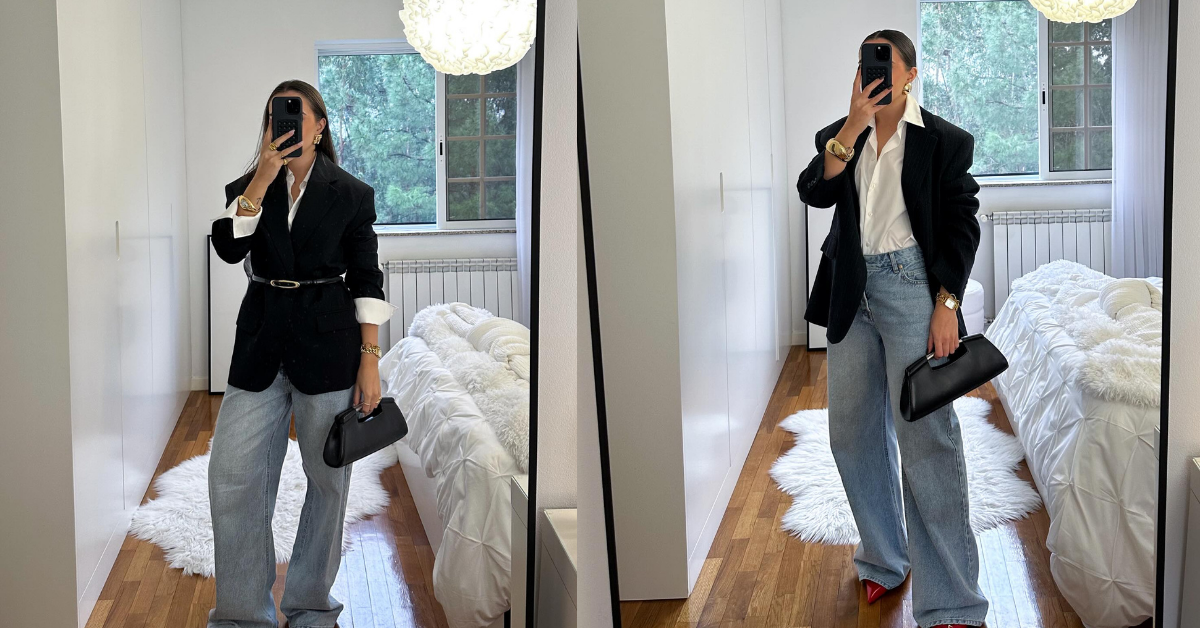
Bulky winter outfits usually happen for one reason: you’re stacking thickness instead of stacking functions. A chunky sweater on top of a hoodie under a big coat feels warm for five minutes, then you’re either sweating indoors or freezing the second wind hits. The outfit gets heavy, you lose mobility, and you still don’t feel consistently comfortable.
The fix is a simple mindset shift: aim for warmth-per-volume, not warmth-per-item. Your best winter layers are the ones that trap warm air efficiently, manage moisture, and block wind, without needing a lot of fabric.
Outdoor brands explain layering as a system: a base layer to manage sweat, a mid layer to insulate (trap heat), and an outer layer to block wind and weather. And the reason it works is not magic. It’s physics: layers create pockets of warm air and help regulate the microclimate around your body.
One honest limitation up front: this won’t work if your outer layer is already too tight. If your coat is snug, no “smart layering” will feel non-bulky because you’re compressing the insulation and restricting movement.
Quick answer for skimmers
- Layer for functions: moisture control (base), insulation (mid), wind and weather protection (outer).
- Warmth comes from trapping air. Loft beats thickness.
- If you feel cold in a big coat, the problem is often wind or compression, not a lack of sweaters.
- Choose a thin base layer (merino or synthetic) instead of doubling tees. Merino is often praised for odor resistance and temperature regulation; synthetics tend to dry fast.
- Add one high-loft mid layer (fleece, light puffer, or insulated vest) instead of multiple heavy knits.
- Finish with a wind-blocking shell or structured coat. Wind protection can make a surprisingly big difference in perceived warmth.
- Warm up the “leaks” first: neck, hands, ankles. Accessories often add more comfort than another torso layer.
If you only do one thing: add a thin thermal base layer + a wind-blocking outer layer, and stop piling on thick sweaters. That combo usually gives the biggest warmth boost without bulk.
The Warmth-to-Volume System
Think of your outfit like a home in winter:
- Base layer = plumbing (moves moisture off your skin so you don’t get chilled later)
- Mid layer = insulation (traps warm air)
- Outer layer = walls and roof (blocks wind, rain, snow while letting moisture escape)
If one of these is missing, you compensate with bulk. If all three are working, you can stay warm in a much sleeker outfit.
A useful nerdy concept here is clo, a unit used to describe clothing insulation. It’s basically a way of talking about warmth in a measurable, comparable way. Higher clo = more insulation. You don’t need to calculate clo values, but it helps to know that warmth is not a vibe. It’s something your clothes can provide more or less of.
Step 1: Stop stacking cotton
Cotton is comfy, but as a base layer it’s a common problem because it holds moisture. Layering guides from outdoor retailers consistently warn against cotton next to skin in cold conditions, because wet fabric makes you feel colder.
Instead, use:
- Merino wool base layers if you want odor resistance and natural temp regulation.
- Synthetic base layers if you want fast drying and durability.
If you’re mostly commuting and not sweating much, either works. If you’re walking fast, taking transit stairs, hauling groceries, you’re basically doing light cardio, and moisture management starts to matter more than you think.
Step 2: Get your base layer “thin but effective”
Your base layer should feel like a second skin, not a sweatshirt.
What to look for
- close fit (not compressive, just snug)
- smooth fabric (so mid layers glide over it)
- long enough to stay tucked
- sleeves that don’t bunch
The three base weights that actually make sense
- Lightweight: mild winter, indoor-heavy days
- Midweight: most daily winter wear
- Heavyweight: long outdoor time, very cold climates
A lot of base-layer advice across outdoor categories boils down to choosing weight based on conditions and activity level, not just temperature.
This is optional. Skip it if you run hot and hate extra layers. For many people, the base layer is the difference between “fine outside, miserable inside” and “comfortable all day,” but not everyone needs it daily.
Step 3: Insulate with loft, not thickness
This is the heart of the system. You want layers that trap air efficiently without turning you into the Michelin mascot.
Best warmth-to-volume mid layers
- Fleece (excellent warmth for low bulk, easy to layer)
- Light insulated jacket or vest (adds a lot of warmth with minimal thickness)
- Fine-gauge wool sweater (merino or similar, not chunky cable knit)
If you’re choosing between puffers, it helps to understand what “good down” means. Fill power is a lab measure of how much loft one ounce of down creates. Higher fill power means more loft and insulating efficiency, but it doesn’t automatically tell you the warmth of the whole jacket because fill amount and construction matter too.
Here’s the practical takeaway: a thin, high-loft mid layer often beats a thick knit for warmth-to-volume.
Trade-off with no perfect solution: the lightest, loftiest pieces (especially down) can be expensive and sometimes fussier to care for. You can still build a great system with fleece and wool, but the ultra-sleek “barely-there warmth” look is often a budget trade.
Step 4: Wind is the bully you need to block
If you have ever felt “weirdly cold” even when layered, wind is often why.
Layering guidance from outdoor experts consistently emphasizes an outer layer that protects against wind and weather. Wind strips away the warm air your mid layer is trying to hold on to. So you can add sweaters forever and still feel cold if air is cutting through.
Outer layer choices (from least to most weather protection)
- Structured wool coat: great for dry cold, blocks some wind
- Shell or wind-resistant jacket: excellent for windy days and wet snow
- Insulated parka: combines insulation + wind protection, but can be bulkier
If you hate the “puffy marshmallow” look, you often do better with:
- a thin insulating mid layer + a wind-blocking outer layer
instead of one giant insulated coat.
Step 5: Don’t compress your insulation
Here’s a mistake that looks stylish but kills warmth: tight layers stacked under a fitted coat.
Insulation works by trapping air. If you compress it, you lose loft and warmth. That idea is baked into how layering is described: layers create warm air pockets.
Fit rules that prevent bulk and prevent cold
- Base layer: snug
- Mid layer: normal fit (enough room to trap air)
- Outer layer: slightly roomier than your normal coat size if you’re truly layering
If you feel restricted in shoulders or elbows, your coat is too tight for a layering system.
Step 6: Plug the heat leaks first
If you want warmth without bulk, stop adding torso layers and fix the places heat escapes.
Neck
A scarf or high collar is a huge payoff. A warm neck makes your whole body feel warmer.
Hands
Gloves matter more than people admit. Cold hands make you feel cold overall.
Ankles and feet
Warm socks and weather-appropriate shoes beat doubling leggings. If your socks are thin and your shoes leak cold, you will never feel truly warm.
This is the part people skip, then wonder why “layering doesn’t work.”
The 4 common “bulky but still cold” mistakes
- Too many thick layers, not enough wind protection
Fix: add a wind-blocking outer layer. - Cotton next to skin
Fix: switch to merino or synthetic base. - Tight coat compressing everything
Fix: size up outerwear or choose a layering-friendly cut. - Ignoring sweat
Fix: if you walk fast, your base layer matters more than your coat.
Layering formulas you can copy
These are “warmth-to-volume” combos that look normal in real life.
1) Cold commute, lots of indoor time
- thin base layer (optional)
- fine knit sweater or fleece
- structured wool coat
- scarf + gloves
2) Windy day, walking a lot
- thin base layer
- light fleece or insulated vest
- wind-resistant shell or tightly woven coat
- beanie + scarf
(Blocking wind is the difference-maker here.)
3) Very cold, standing outside for a while
- midweight base layer
- high-loft mid layer (light puffer or thick fleece)
- roomy outer layer that blocks wind
- real accessories: warm socks, gloves, neck coverage
4) “I hate bulky arms” solution
- base layer
- insulated vest
- coat
Vests give core warmth with less arm bulk. This is one of those tricks that feels too simple until you try it.
Options by style preference
If you want a polished, city look
- thin base layer in a smooth fabric
- fine-gauge sweater
- wool topcoat
- leather gloves, scarf in a solid neutral
If you want an outdoorsy practical look
- synthetic or merino base layer
- fleece mid layer
- shell outer layer
- beanie + weatherproof shoes
If you want warmth without looking “layered”
- base layer in a color close to your skin or your top
- one sleek insulating mid layer
- one clean outer layer
No contrast stripes, no visible bulk, just quiet efficiency.
FAQ
How many layers do I actually need?
Most people do well with the classic three: base, mid, outer. Outdoor guides describe this as the standard system, and you only add more when conditions demand it.
Merino or synthetic base layer?
Merino is often favored for odor resistance and comfortable temperature regulation; synthetics tend to dry fast and can be more durable. If you’re wearing it all day and don’t want it to smell, merino is a strong bet.
Why do I feel cold even in a big coat?
Often wind or moisture. If wind is cutting through, your insulation can’t hold warm air. And if you sweat, damp fabric can chill you later.
Is down always warmer than synthetic insulation?
Down fill power describes loft efficiency, but jacket warmth depends on many factors, including how much insulation is used and construction. Synthetic insulation can perform differently in wet conditions, and it’s often chosen for that reason. (But for day-to-day city winter, your bigger win is usually fit + wind protection.)
What’s the biggest “no bulk” upgrade?
A thin base layer plus a wind-blocking outer layer, then fix neck and hands. That combination typically beats adding another chunky sweater.
Just a little note - some of the links on here may be affiliate links, which means I might earn a small commission if you decide to shop through them (at no extra cost to you!). I only post content which I'm truly enthusiastic about and would suggest to others.
And as you know, I seriously love seeing your takes on the looks and ideas on here - that means the world to me! If you recreate something, please share it here in the comments or feel free to send me a pic. I'm always excited to meet y'all! ✨🤍
Xoxo Charlotte