
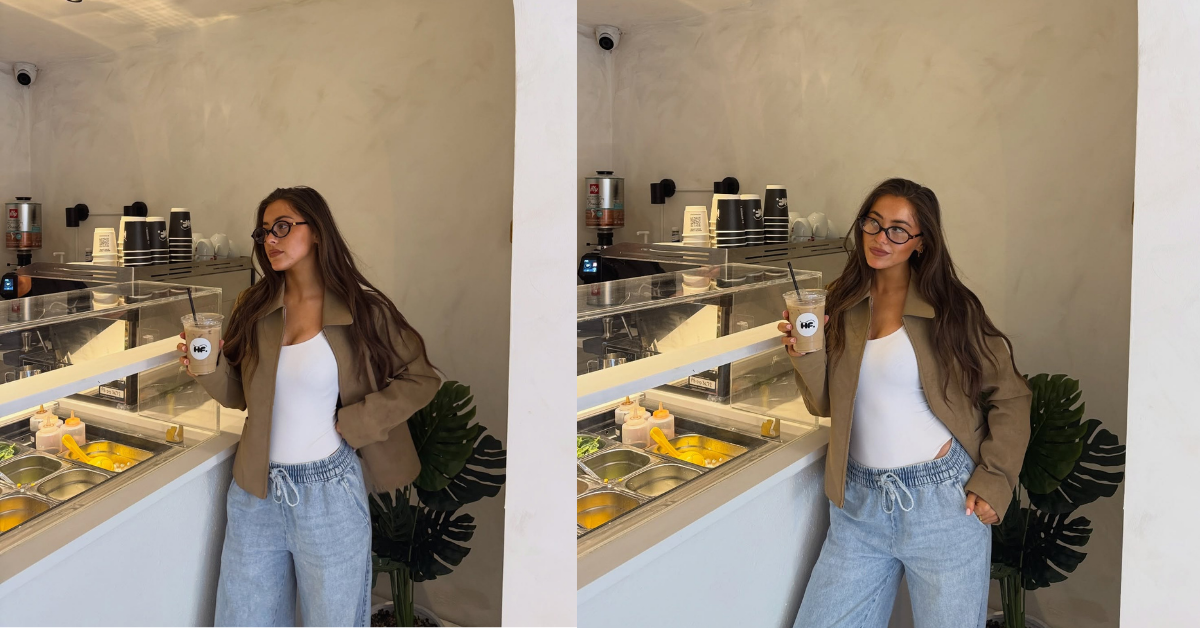
Transitional dressing is basically one skill: making a summer outfit look like it belongs in fall by changing the “signals” (layers, shoes, texture, and color) without looking like you grabbed random warm stuff on top.
The reason people look off-season is usually not the summer piece itself. It’s the styling around it: bare legs + strappy sandals + bright raffia bag + floaty fabric still screams July, even if you threw on a blazer.
Here’s how to keep the summer pieces, but change the message.
The quick rules
- Keep one summer element, add two fall signals. (Example: slip dress stays, but add boots + knit layer.)
- Swap footwear first. Shoes change season faster than any jacket.
- Add texture, not bulk. Fall reads as suede, leather, knit, denim, cord, matte fabrics.
- Control the bare skin. Bare legs + bare shoulders is where “off-season” happens.
- Choose layers you can take off. Transitional weather is unpredictable by definition.
If you only do one thing: wear your summer piece with a fall shoe and a real third piece (jacket, cardigan, blazer, trench). The outfit will instantly read intentional.
The 3-part framework that makes summer pieces look fall-ready
1) Temperature logic
Transitional dressing exists because one day can start mild and turn cold (or the reverse).
So your outfit has to be modular:
- Base layer you can live in indoors
- Add-on layer for morning/evening
- Optional “weather” layer if rain or wind shows up
2) Seasonal signals
Fall isn’t just “more coverage.” It’s specific cues:
- Texture: knits, suede, leather, denim, wool blends
- Footwear: loafers, boots, closed-toe flats, sneakers
- Color: deeper neutrals, browns, olives, creams, charcoal, navy
3) Proportion balance
This is where most outfits go wrong.
- If the summer piece is floaty and light (slip dress, linen skirt), your fall layer should be more structured (denim jacket, blazer, leather jacket).
- If the summer piece is tight (tank dress, fitted skirt), your fall layer can be relaxed (cardigan, chunky knit, oversized shirt jacket).
This won’t work if every layer is oversized and slouchy. You’ll just look swallowed, not seasonal.
The “two fall signals” formula
Pick your summer item. Then add two from this list:
Fall signals you can add in 30 seconds
- Boots (ankle or knee)
- Loafers or ballet flats with socks
- Denim jacket, blazer, trench, barn jacket
- Knit cardigan or sweater draped over shoulders
- Leather or suede bag
- Belt in darker leather
- Tights or socks
- Matte makeup and a slightly deeper lip
It sounds simple because it is. Editors call transitional dressing “layering and in-between pieces” for a reason.
Summer pieces, styled for fall (without looking confused)
1) Summer dresses
This is the easiest category to transition, and there’s lots of editorial support for it because it works on real bodies in real weather.
Make it fall:
- Add a blouse or thin knit under it (dress becomes a pinafore vibe).
- Swap sandals for boots (instant season shift).
- Add a structured layer on top (denim jacket, blazer, suede jacket).
A recent example that got attention: Sarah Jessica Parker wore a summer-leaning black dress layered over a white blouse as a fall-ready formula.
Avoid:
- Dress + bare legs + delicate sandals + straw bag. That combo is doing all the summer signaling at once.
Optional. Skip it if… you hate tights. You can still transition dresses with boots and a jacket. Tights are helpful, not mandatory.
2) Slip dresses and satin skirts
These can look “wrong season” fast unless you ground them.
Make it fall:
- Slip dress + chunky knit + boots
- Satin skirt + crewneck sweater + loafers
- Add a leather jacket if you want edge.
This is a classic transitional trick because the shine of satin feels interesting against matte fall textures.
Trade-off with no perfect solution: satin + knits can snag and pill, and you can’t fully prevent that if you wear them hard. It’s the price of mixing textures.
3) Linen and cotton sets
Linen reads summer because it’s airy, light, and often pale.
Make it fall:
- Wear linen pants with a fitted long sleeve or light knit
- Add a suede or denim jacket
- Switch to closed-toe shoes
If you want one trendy-but-timeless transitional layer: suede is showing up as a multi-season staple in current fashion coverage, especially as a jacket option.
4) Shorts
Shorts can work in fall, but they need intention.
The grown-up way:
- Tailored shorts + opaque tights + loafers or boots + blazer
- Denim shorts + tights + sweater + ankle boots
Avoid:
- Shorts + flip-flops or strappy sandals once temps drop. That’s where you look stuck in last month.
This won’t work if it’s genuinely cold where you live. In true fall weather, shorts will always feel like a compromise, even when styled well.
5) Tanks and sleeveless tops
These are your best layering bases.
Make it fall:
- Tank + cardigan + straight-leg jeans + loafers
- Tank + blazer + trousers + boots
- Tank dress + thin turtleneck underneath
The key is that the outer layer looks fall (knit, denim, suede, leather).
6) White jeans and light colors
You can wear white in fall. The issue is how you style it.
Make it fall:
- White jeans + camel, chocolate, charcoal, olive on top
- Add suede/leather accessories
- Choose closed-toe shoes
One of the most reliable transitional tricks is “lighter bottoms, darker top, fall shoes.”
The off-season problem, explained simply
Most outfits look “off” because of one of these:
You have too many summer signals at once
Examples:
- bare legs + sandals + straw bag + floaty dress
- bright white + bright color + beachy accessories
- thin fabric + no third piece + shiny summer jewelry
Fix: keep one summer signal, replace the other two.
Your layers don’t match your footwear
Blazer + sandals often reads confused, unless it’s intentionally fashion-forward.
Fix: if you add a fall layer, add a fall shoe with it.
Your color story fights the season
In-between weather loves quieter palettes.
This is why so many “summer-to-fall outfit” roundups lean on neutrals, denim, and layering pieces rather than loud seasonal prints.
A simple checklist before you leave the house
Look in a mirror and ask:
- Do I have one clear fall signal? (shoes, jacket, texture, or color)
- Do I have two? (Even better.)
- Is there too much bare skin for today’s weather?
- Could I remove one layer if I get warm?
- Do my accessories match the season (bag, belt, jewelry)?
If you answer yes to #1 and #2, you’ll rarely look off-season.
Outfit formulas you can copy
These are designed to look “right now” without being trend-costume.
Formula A: Summer dress + fall shoe + fall layer
- Midi dress + ankle boots + denim jacket
- Slip dress + loafers + cardigan
- Sundress + knee boots + blazer
Formula B: Summer top + denim + third piece
- Tank + straight jeans + trench
- Sleeveless knit top + trousers + suede jacket
- Tee + jeans + overshirt
Formula C: Skirt + sweater + socks or tights
- Satin skirt + sweater + loafers + socks
- Cotton skirt + cardigan + boots
- Mini skirt + tights + boots + blazer
Formula D: The “it might be warm later” outfit
- Breathable base (tank, tee, dress)
- Carry layer (cardigan, light jacket)
- Closed-toe shoe
That “carry layer” approach shows up in a lot of transitional dressing advice because it’s the most realistic way to dress for swingy days.
The best transitional pieces to add (if you’re missing connectors)
You don’t need a whole fall wardrobe. You need a few connectors that make summer items wearable.
- A light knit cardigan
- A denim jacket or chore jacket
- A blazer that’s not too stiff
- Ankle boots or loafers
- Tights (sheer-to-opaque range)
- One suede or leather bag
Even shopping-focused guides tend to recommend exactly these “bridge” items because they do the most work per wear.
What to do when you still feel “off”
Try these micro-adjustments:
- Roll sleeves and open the neckline if you feel too bundled.
- Add socks with loafers or sneakers to shift the season instantly.
- Swap one accessory (straw to leather, bright tote to structured bag).
- Change only your shoes and see if the whole outfit snaps into place.
One strong opinion: I usually tell people to stop buying more tops for transitional season. Buy the shoes and outer layer first. They do 80 percent of the seasonal work.
Variations by lifestyle
If you commute or walk a lot
Prioritize: closed-toe shoes, layers that pack easily, fabrics that don’t wrinkle.
If you run hot
Do a summer base, fall shoes, and carry a layer. Don’t force sweaters if you’ll just sweat through them.
If your weather is truly unpredictable
Choose pieces that handle wind and rain (trench, lightly padded jacket, water-resistant shoe). This is exactly why transitional dressing is described as “in-between season problem solving.”
Just a little note - some of the links on here may be affiliate links, which means I might earn a small commission if you decide to shop through them (at no extra cost to you!). I only post content which I'm truly enthusiastic about and would suggest to others.
And as you know, I seriously love seeing your takes on the looks and ideas on here - that means the world to me! If you recreate something, please share it here in the comments or feel free to send me a pic. I'm always excited to meet y'all! ✨🤍
Xoxo Charlotte