
“Fashion rules” can help, but they also confuse people because so many of them contradict each other. You don’t need rigid commandments. You need a few principles that help you choose clothes faster, shop smarter, and feel more like yourself when you get dressed. When you understand why certain outfits work, you stop relying on luck.
A common misconception is that style improves when you follow trends or copy someone else’s formula. It doesn’t. The goal is consistency, fit, and clear intent, even if your wardrobe stays simple. Rules only matter when they make your decisions easier and your outfits more reliable.
This article breaks down must-know fashion guidelines you can actually use, like how to balance proportions, pick a flattering neckline, and build outfits around one strong focal point. You’ll learn what to ignore, what to keep, and how to apply these ideas to your real closet.
Rule 1: The Hero Item
Aside from my pajamas, I don’t think there’s a single outfit I wear that isn’t influenced by this rule. The hero item is the ONE piece that acts as the anchor for your whole outfit.
You’ve had that experience before, right? Going to your wardrobe without any direction, pulling out 5, 6, 10 items, frantically trying them all on, hoping some combination works? It’s the epitome of a guessing game. Frustrating. Confusing.
Better approach: start with the end goal. What do you want your outfit to say, represent, or emphasize? Choose your hero item (top, pants, skirt) that achieves that goal, then build from there. It becomes a process of elimination – what WON’T work because it clashes with the hero? You significantly reduce your options, making the rest of the outfit much easier.
Think of your hero piece like beautiful art. The art is the star. The frame (your supporting pieces) enhances and complements – never competes. When your outfit has a natural focus point, it creates flow and cohesion.
Rule 2: Colour Theory
This is one of the greatest style hacks you’ll ever learn. Artists, designers, and creatives have used this for centuries to make their work look intentional, cohesive, and magnetic. And yes, this will send you down nostalgia lane to primary school art class.
Four main colour categories:
Analogous: Colours sitting next to each other on the wheel (olive, khaki, sage). Creates soft, harmonious, elegant outfits.
Complementary: Colours opposite each other (navy and rust, green and pink). Bold but balanced contrast.
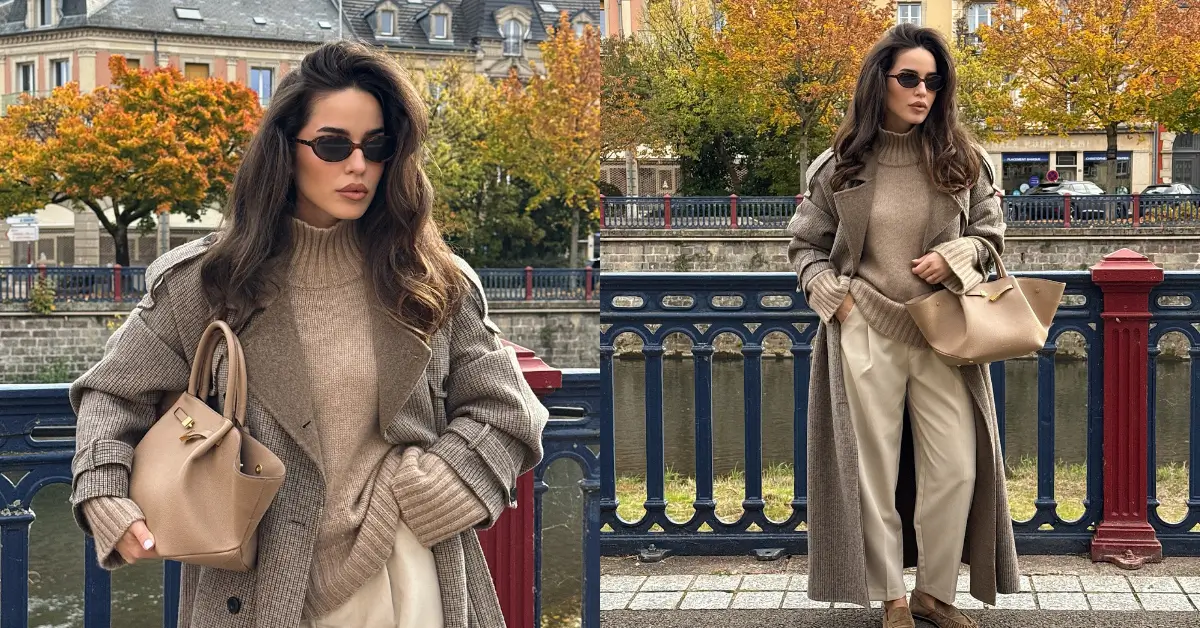
Monochrome: One colour in different tones (beige, caramel, cream). Clean, super cohesive.
Triadic: Three evenly spaced hues (red, yellow, blue). High energy, playful – great for mixing bold colours.
Use these groupings to guide your item pairing. Foolproof method. These are genuinely style rules that will change how you dress forever once you internalize them.
Rule 3: Personal Style Signatures
This is about leaning AWAY from trends and INTO your personality. Trends do two unfortunate things: they blunt your style (everyone wearing the same thing at the same time isn’t memorable or distinct), and they trap you in a wardrobe of random items with a one-month lifespan.
Your style signature is your visual language – elements that make outfits unmistakably YOU. Others could try to repeat it, but it’ll never quite look the same because it’s YOUR personality, YOUR essence.
How to find yours: Save 5-8 outfits you genuinely love. Analyze what exactly you love about them – the jewellery colour? The cut of the pants? Deliberate pops of colour? Certain hat styles? Note these patterns in your phone. Then create 2-3 outfits following your signature, photograph them, and save to favourites. Next time you’re stressed or tempted by a trend, check if it aligns with YOUR signature.
Rule 4: The Texture Rule
Want an easy outfit in minutes? Simply match or repeat textures. It’s a powerful way to look more stylish, cohesive, and balanced without being overdone. You know – when you want to look like you put in effort, but not TOO much effort.
Examples: leather shoes with leather bag, ribbed top with ribbed hat, canvas shoes with canvas-look bag. These subtle design choices create rhythm – like watching a flowing stream. Peaceful, harmonious, natural visual linking.
Pro tip: Don’t buy a bunch of new stuff. Analyze what textures you already own (ribbed items? faux leather? linen?) and buy one or two accessories to match. Instantly creates matching sets from what you have.
Rule 5: Play Dress Up
This goes deeper than outfits. We all have off days – sometimes off weeks or months. Life doesn’t stop. We still need to show up for work, family, obligations. When we don’t feel our best but need to BE our best, that internal struggle shines through.
The energy you walk into a room with makes an impression in seconds. Not always fair, but it’s human nature.
Solution: dress into the persona you want to embody. It’s called enclothed cognition – scientists have proved that dressing certain ways directly impacts your thoughts, mood, and behaviour. Use it to your advantage.
Want to be more approachable but feeling shy? Try vibrant colours, something flowy and welcoming, or the total opposite of your usual style. It cues your brain to step into a fuller version of yourself. Sometimes that little switch is all it takes for people to engage with you differently.
Rule 6: The Three Colour Rule
Instead of randomly adding colours or getting stressed, cap it at THREE colours maximum. This creates visual repetition and consistency, prevents chaos, and gives purpose to your choices.
The Fashion Rules That Actually Improve Your Style Every Time
Most “rules” fail because they sound strict and ignore real life. The useful rules help you make decisions faster and avoid outfits that feel off. You want consistency, not perfection.
Rules that hold up:
-
Proportion beats trends. If your top ends at your widest point, the outfit can look heavier than it is. Move hems up or down to create balance.
-
Your shoes set the vibe. Sneakers make a dress casual. Sleek boots make jeans look polished. Pick shoes first when you feel stuck.
-
Repeat something on purpose. Repeat a color, a metal tone, or a shape. That repetition makes an outfit look styled, not random.
-
Keep one area clean. If you wear a busy print, keep the rest simple. If you wear distressed denim, keep the top sharp.
Common mistakes:
-
You copy outfits without matching the fit. The same look can feel amazing or awkward depending on shoulder width, waist placement, and length.
-
You add “just one more thing” until the outfit feels noisy. Stop when you have one clear idea.
A simple decision framework:
-
Pick a silhouette, pick a color story, pick one statement, then stop
Just a little note - some of the links on here may be affiliate links, which means I might earn a small commission if you decide to shop through them (at no extra cost to you!). I only post content which I'm truly enthusiastic about and would suggest to others.
And as you know, I seriously love seeing your takes on the looks and ideas on here - that means the world to me! If you recreate something, please share it here in the comments or feel free to send me a pic. I'm always excited to meet y'all! ✨🤍
Xoxo Charlotte