
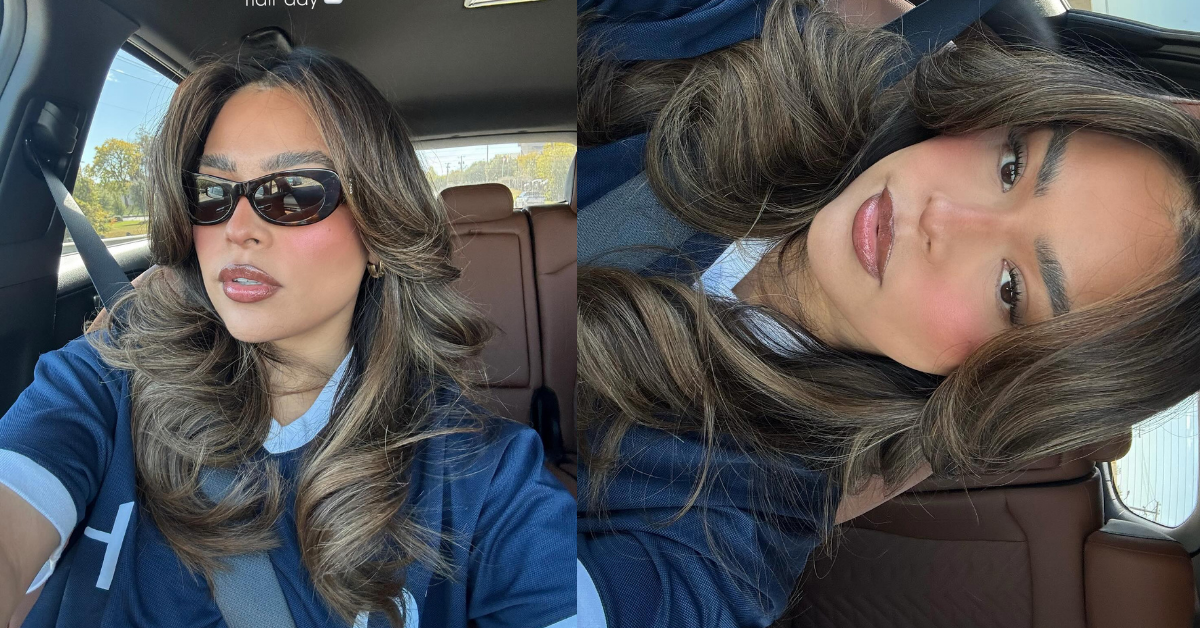
If you want a haircut that still looks good three months later, the goal is not “no maintenance.” It’s forgiving shape. A forgiving cut keeps its line as it drops, blends awkward stages, and looks intentional even when you air-dry or throw it in a claw clip.
Most “high-maintenance” haircuts fail in the grow-out because they rely on precision (sharp lines, short layers that flip fast, bangs that hit the wrong spot) or constant styling to look like the reference photo. The low-effort cuts that grow out beautifully have the opposite DNA: they’re either one clean line (so the shape stays tidy) or lived-in layers (so the shape stays soft as it lengthens).
Below is a simple picking framework, the cuts that consistently grow out well, and exactly what to say in the salon so you don’t accidentally get the higher-maintenance version.
Quick answer for skimmers
- The easiest grow-out winners are collarbone-length bobs/lobs, one-length medium cuts, and soft long layers.
- If you want to go shorter, the most forgiving “short” option is a soft bixie or long pixie that’s designed for the grow-out phase.
- “Lived-in” cuts look better longer because they’re not too precise to begin with (so you don’t see every millimeter of growth).
- Long layers can be low-effort if they’re light and strategic, not choppy all over.
- Expect hair to grow about half an inch per month, so choose a cut that still looks intentional after 6 to 10 weeks of length change.
- Trims are still part of low-effort. Many people can go 3 to 6 months with long hair, while shorter cuts usually need more frequent tidying.
If you only do one thing: choose a cut that hits collarbone-ish (a long bob / grown-out lob) with soft face-framing. It’s one of the most forgiving lengths for real life.
The decision framework that actually works
1) Pick your “grow-out tolerance”
Be honest about how long you want to go between haircuts.
- 10 to 14+ weeks: longer bobs/lobs, one-length medium cuts, long soft layers
- 6 to 10 weeks: shags, heavier layering, short bobs (they can still grow out well, but they change faster)
- 4 to 8 weeks: crisp pixies or precision bobs (not your best bet for “low-effort”)
This won’t work if your hair is very prone to visible split ends or breakage and you hate trims. In that case, “low-effort” might mean fewer styling steps, not fewer appointments.
2) Decide: clean line vs soft layers
- Choose clean line if you want hair to look tidy with minimal styling (straight, wavy, thick, fine all can do this).
- Choose soft layers if you want movement and volume without daily heat styling.
3) Match the cut to your natural texture
The secret to low-effort is letting your texture do the work.
- Straight: clean lines and subtle internal layers are your friend.
- Wavy: lobs, soft shags, and long layers tend to “self-style.”
- Curly/coily: shaped layers can be amazing, but the key is a cut that respects shrinkage and avoids odd shelf layers.
4) Avoid the 3 “grow-out traps”
- Too-short face frame that turns into awkward pieces quickly
- Over-thinning that makes ends look wispy as it grows
- Ultra-precise perimeter that looks “off” the moment it drops a bit
The best low-effort haircuts that grow out beautifully
1) The low bob / grown-out lob (collarbone length)
This is the “it still looks like a haircut” haircut. It sits at the collarbone, which means:
- it can be worn down, tucked, clipped, or tied
- it grows out gracefully because you’re not constantly fighting a strict chin-length line
Recent trend coverage describes the “low bob” as a grown-out, collarbone-grazing take on the lob.
Ask for: “Blunt-ish collarbone lob, slightly softened ends, with gentle face-framing.”
Low-effort styling: air-dry with a leave-in, or add one quick bend with a straightener.
2) One-length medium cut with blunt ends
If you want hair to look thicker and behave, a one-length cut is shockingly easy. It also grows out cleanly because the perimeter stays cohesive.
Allure calls out medium, one-length hair with blunt ends as a reliable option (especially for making hair look fuller).
Ask for: “One length, blunt ends, minimal layering. Keep it weighty.”
Best for: straight to slightly wavy hair, fine to medium density
Watch-out: if your hair is very thick and wavy, you may need subtle internal layers so it doesn’t triangle.
3) Soft long layers (the “barely there” version)
Layers can be low-effort when they’re long and light, not chopped all over. Byrdie’s pro quotes around long layers emphasize that “less is more” for thin hair and that strategic long layers help texture without making ends look sparse.
Ask for: “Long layers, keep the perimeter full, face-framing that starts no shorter than cheekbone.”
Why it grows out well: the shape shifts slowly, so you don’t hit weird stages quickly.
Trade-off (no tidy solution): long layers can look amazing when styled, but if you air-dry with zero product, they can sometimes fall flat on day two. Some people love that, some don’t.
4) The subtle shag
A shag does not have to be extreme. A “subtle shag” uses soft, feathered layers and a natural, tousled shape that works across textures.
Ask for: “Soft shag, not too choppy, with longer layers and piecey ends. I want it to look good grown out.”
Best for: wavy hair, medium to thick density, anyone who likes a little texture
Not ideal for: people who want a super sleek, one-and-done blowout every day
5) The soft bixie (pixie-bob hybrid) for a graceful short grow-out
If you want to go shorter but fear the awkward phase, a soft bixie is basically the cheat code. It’s designed to become a bob as it grows. InStyle has highlighted soft bixies and modern pixies as wearable, texture-friendly short options.
Ask for: “Soft bixie, keep it airy, not too sharp at the nape, and leave length around the ears.”
Grow-out plan: aim for tidy clean-ups, not full reshapes.
6) Curtain bangs that blend (instead of “bang bangs”)
If you want face-framing but hate constant trims, curtain bangs are often easier to live with because they blend into the rest of the cut.
Ask for: “Long curtain fringe that starts around the cheekbones and blends into layers.”
Important: keep them long enough to tuck. That’s the difference between “effortless” and “why did I do this.”
This is optional. Skip it if you hate styling your fringe even a little. Bangs always add some daily attention, even the easy ones.
What to say to your stylist (so you get the low-effort version)
Bring a photo, but say the words too. A lot of “high-maintenance” happens because the stylist interprets your inspo as more dramatic than you meant.
Use one of these scripts:
- For a grow-out-friendly bob/lob:
“I want a collarbone lob that looks good grown out. Keep the ends blunt-ish, just softened. Minimal layers.” - For long layers:
“I want movement, but I want my ends to stay full. No heavy thinning. Face frame starting at cheekbone.” - For shags:
“Subtle shag, not a wolf cut. Soft layers, piecey ends, wearable as it grows.”
Also say this out loud if it’s true: “I air-dry a lot.” That changes what “low-effort” should look like for you.
The most common mistakes that sabotage grow-out
- Choosing a cut that needs precision to look right
If the vibe is “sharp line,” it will demand regular reshaping. Lived-in bobs tend to have more longevity. - Over-layering fine hair
It can look great day one, then stringy fast. Long, light layers are usually safer. - Skipping trims forever because you’re “growing it out”
Counterintuitive, but occasional trims help you keep length that isn’t breaking off. InStyle’s grow-out guidance includes regular trims as part of the process, and general trim cadence varies by length. - Not planning how you’ll wear it on lazy days
If you live in ponytails and claw clips, you want a cut that behaves pulled back, too.
Low-effort options by hair type
If your hair is fine or thin
- one-length medium blunt cut
- collarbone lob with minimal layers
- long layers, but very light
If your hair is thick
- long layers with weight removal done carefully
- subtle shag for movement
- grown-out lob (helps control bulk without constant trims)
If your hair is wavy
- subtle shag
- shaggy lob
- butterfly-style long layers if you like volume (just keep them soft)
If your hair is curly or coily
- shaped long layers that respect shrinkage
- avoid overly short face-framing unless you love the look
- focus on healthy hair habits and gentle care (the American Academy of Dermatology has practical, texture-aware tips).
A simple maintenance plan that still feels “low-effort”
- Book your next appointment at checkout, but make it a “dusting.”
You’re maintaining the perimeter, not reinventing the cut. - Use time-based expectations, not perfection-based ones.
Many people with longer hair can go 3 to 6 months between trims, while shorter cuts need more frequent shaping. - Protect the ends.
The better your ends stay, the better any cut grows out. AAD’s healthy hair guidance focuses on practical routines based on hair type and condition.
FAQ
What haircut grows out the prettiest with the least effort?
A collarbone-length lob (or “low bob”) is hard to beat for low effort and graceful grow-out.
I want layers but I hate styling. Is that possible?
Yes, but keep layers longer and lighter. Heavy layering often looks best with styling.
Are bangs ever truly low-maintenance?
Not really. Curtain bangs are lower maintenance than blunt fringe because they blend, but they still add a daily step.
How often should I trim if I’m trying to grow my hair?
It depends on your length and how your ends behave. General guidance often places long-hair trims around every few months, with shorter styles needing more frequent upkeep.
What’s the best short haircut if I’m scared of the awkward grow-out stage?
A soft bixie or long pixie designed for transition tends to be easier than a super crisp pixie.
My hair flips out at the ends as it grows. What cut helps?
A blunt-ish perimeter (lob or one-length cut) usually reduces that “random flip” stage because the ends sit heavier.
Just a little note - some of the links on here may be affiliate links, which means I might earn a small commission if you decide to shop through them (at no extra cost to you!). I only post content which I'm truly enthusiastic about and would suggest to others.
And as you know, I seriously love seeing your takes on the looks and ideas on here - that means the world to me! If you recreate something, please share it here in the comments or feel free to send me a pic. I'm always excited to meet y'all! ✨🤍
Xoxo Charlotte