
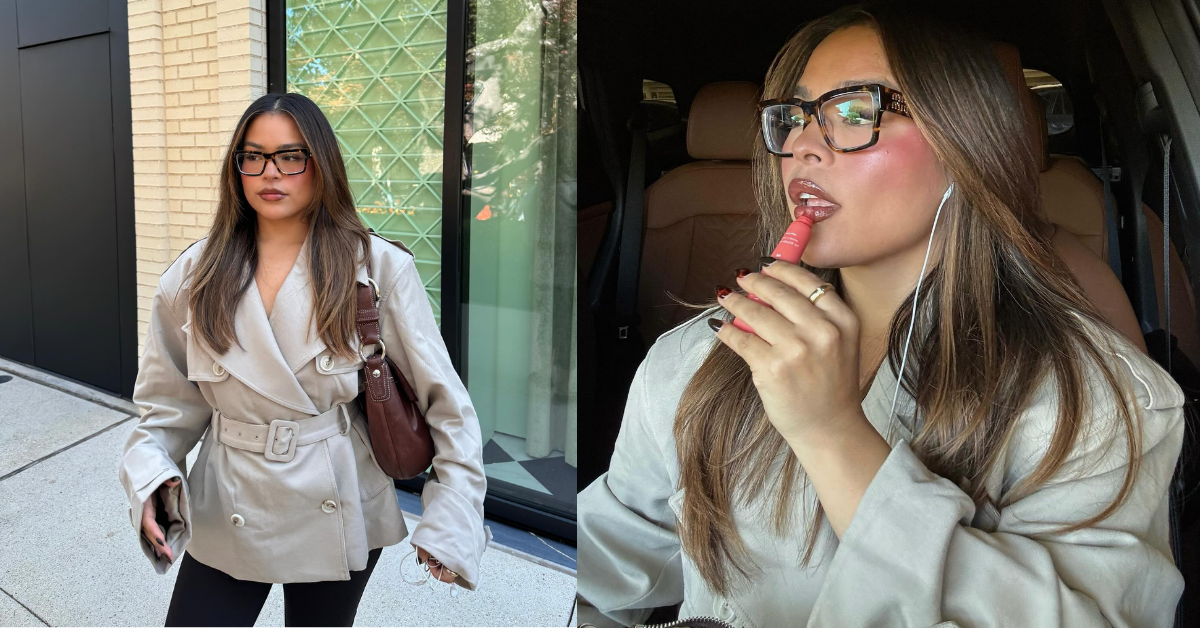
“Expensive hair” is not really about having more hair, thicker hair, or a blowout budget. It is about your hair looking smooth, touchable, and intentionally cared for: clean roots, soft ends, controlled frizz, and shine that looks like health (not grease).
And almost all of that happens before you pick up a dryer, curler, or straightener.
Most people struggle because they focus on styling tricks while their prep is working against them: rubbing with a towel, detangling at the wrong time, using too much product, skipping conditioner, or blasting heat on hair that is still soaking wet. Dermatologists call out these habits because they can literally increase breakage and dullness over time.
This guide is the “boring” part that makes everything else easier. It is not about perfection. It is about stacking a few small choices that make your hair behave.
Quick answer for skimmers
- Wash based on your scalp, not vibes. Oil and buildup make hair look flat and dull fast.
- Shampoo your scalp, not your ends. Condition your lengths, not your roots (most people get this backwards).
- Stop rubbing your hair with a towel. Press, wrap, and let it absorb.
- Detangle the “low-friction” way: wide-tooth comb, start at ends, work up.
- Use a leave-in on damp hair if you style, because conditioners and films reduce friction and wear.
- If you use heat, use the lowest effective heat and keep tools moving.
- If your hair looks coated, limp, or weirdly sticky, you probably need an occasional clarifying or chelating wash.
If you only do one thing: stop rough handling when hair is wet (rubbing, aggressive brushing). Dermatologists consistently flag wet-hair friction as a major damage trigger.
The decision framework
If you want shine that looks “natural”
Do: conditioner + gentle detangling + lightweight leave-in
Avoid: heavy oils on dry hair (they can look greasy, not glossy)
If you want volume that still looks soft
Do: clean scalp, light conditioner on ends, fewer styling products
Avoid: too much “root spray + dry shampoo + texture powder” layering (buildup kills bounce)
If you want frizz control without crunch
Do: apply smoothing product on damp hair, then dry with less friction
Avoid: saving all products for after hair is dry (you end up stacking too much)
If you want heat-styled hair that stays healthy-looking
Do: heat less often, lowest heat setting, shorter contact time
Avoid: repeated passes “until it behaves” (that is when you lose shine)
If you have curls or textured hair
Do: detangle damp with conditioner, keep moisture in, reduce friction
Avoid: treating curls like straight hair (it backfires)
This won’t work if your hair is getting hammered by frequent bleach or chemical services and you are expecting prep alone to compensate. Prep helps, but chemistry changes the fiber. You will still need realistic expectations and gentler styling choices.
What “expensive hair” prep is actually doing
Expensive-looking hair usually has three things going on:
- Low friction: hair strands slide past each other instead of snagging.
- Clean, balanced scalp: roots lift and look fresh, not waxy or dusty.
- Controlled moisture: not dry and puffy, not over-soft and limp.
Conditioners and leave-ins help because they can deposit ingredients that smooth the cuticle and reduce friction between fibers. That matters because hair cannot self-repair like living tissue, so preventing wear is the whole game.
Step 1: Clean your scalp like you mean it
A clean scalp is the base of volume, shine, and “freshness.” The American Academy of Dermatology’s guidance is basically: wash based on how oily or dirty your hair gets, and adjust by hair type (straight/oily may need more frequent washing; dry, curly, thick hair often needs less).
The simple rule
- Oily scalp, straight hair, lots of sweating: more frequent shampooing can be normal.
- Dry, curly, thick, textured hair: less frequent shampooing can be normal, but your scalp still needs cleansing.
What to change if your roots look dull by day 2
- Shampoo your scalp twice (quick first wash, then real wash).
- Use less conditioner near the root.
- Consider occasional clarifying if you use a lot of styling products.
Step 2: Condition like a grown-up (this is where shine comes from)
Conditioner is not “optional fluff.” It improves feel and reduces friction, which lowers wear from combing and daily handling.
How to apply it so it works
- Apply conditioner mid-lengths to ends.
- Use your fingers to rake it through.
- Let it sit while you do the rest of your shower.
- Rinse well, especially if your hair goes limp easily.
If your hair is fine and gets flat
Use a lighter conditioner and keep it strictly on the ends. Do not “over-condition” at the root.
Step 3: Get out of the shower without wrecking your cuticle
Dermatologists explicitly call out towel-rubbing as a damage habit and recommend wrapping hair to absorb water instead.
The expensive-hair towel method
- Squeeze water out with your hands first.
- Press with a towel or T-shirt.
- Wrap gently for a minute or two.
- Stop there.
Optional: a microfiber towel can reduce friction. This is popular in beauty guidance, but you can get most of the benefit just by not rubbing.
This is optional. Skip it if you do not want another “special item” in your bathroom.
Step 4: Detangle with the least possible damage
AAD advice: hair is delicate when wet, so detangle gently with a wide-tooth comb, starting at the ends and moving up. For thick, curly hair, combing in the shower before rinsing conditioner can be best; for straight hair, letting it dry a bit before combing can help.
The 30-second detangling sequence
- Add a little conditioner or leave-in (slip matters).
- Detangle ends first.
- Work upward in sections.
- Stop once it is “good enough,” not perfectly knot-free.
Why this matters: friction and aggressive grooming can increase cuticle damage, while conditioning reduces friction.
Step 5: Put products on damp hair, not as an afterthought
If you wait until hair is dry and then try to “fix” frizz, you usually over-apply. Damp hair is the best time to lay down a light, even film.
A minimal product lineup (pick 1 to 2)
- Leave-in conditioner for softness and detangling
- Heat protectant if you use heat
- Lightweight smoothing serum (tiny amount) if you frizz easily
You do not need all three most days.
Heat protectant: does it actually do anything?
There is published research showing that certain cosmetic pretreatments (often polymer-based films) can reduce breakage and provide thermal protection against heat styling damage.
Not every product is equal, but the logic is consistent: you are adding a protective film to reduce damage and friction.
Step 6: Drying is a trade-off (and you should pick your poison)
Here is the annoying truth: both air-drying and blow-drying can go wrong.
- Air-drying avoids heat, but hair stays wet longer and can experience more friction from clothing, towels, or lying on it while damp.
- Blow-drying introduces heat, but it can reduce the time hair is wet and vulnerable.
There is no perfect answer for everyone. It depends on your hair type, your technique, and whether you can dry gently.
If you blow-dry, dermatologists recommend limiting heat damage by using lower heat, limiting time tools touch hair, and using heat tools less frequently.
The expensive-hair drying sequence
- Get hair to “not dripping” with a towel press.
- Apply your product on damp hair.
- If blow-drying: use a lower heat setting, keep airflow moving, dry roots first.
- Finish with a quick cool shot if your dryer has it.
Step 7: If your hair looks expensive for one day then collapses, check for buildup
Buildup is one of the biggest “why does my hair look dull?” culprits: product residue, excess oil, and in some areas, mineral deposits from hard water.
Dermatologist-quoted guidance often recommends clarifying or chelating shampoos occasionally to address buildup, especially if you have dullness, limpness, or scalp residue.
Signs you might need a clarifying or chelating wash
- Your hair feels coated even after shampooing
- Products stop “working”
- Roots get greasy fast but ends feel dry
- Your shampoo barely lathers (often mentioned with hard water)
Use sparingly. Clarifying can be drying for some people, so follow with conditioner and do not overdo it.
The “expensive hair” prep routine you can copy
The 5-minute default (most days)
- Shampoo scalp (1 to 2 passes)
- Conditioner on mid-lengths and ends
- Towel press, no rubbing
- Wide-tooth comb detangle, ends to roots
- Leave-in or smoothing product (tiny)
- Air-dry or low-heat dry
The “I’m heat styling” version
Add:
- Heat protectant on damp hair
- Dry hair fully before flat ironing (AAD specifically advises using flat irons on dry hair and keeping heat lower).
The “my hair goes flat” version
- Keep conditioner only on ends
- Use less leave-in
- Clarify occasionally if you use a lot of styling products
The “frizz and dryness” version
- Do not skip conditioner (consider a richer one)
- Add a leave-in
- Reduce friction (towel press, gentle detangle)
- Consider less frequent heat, lower temps
Common mistakes that sabotage expensive-looking hair
- Rubbing with a towel
Fix: press and wrap instead. - Brushing aggressively while wet
Fix: wide-tooth comb, gentle, start at ends. - Putting all your products on dry hair
Fix: apply the important stuff on damp hair, then use a tiny finishing amount if needed. - Using the highest heat because you are in a rush
Fix: lower heat, more control, fewer passes. - Never dealing with buildup
Fix: occasional clarifying or chelating, especially with heavy styling products or hard water.
The expensive-hair checklist
Use this before a big day when you want hair to behave:
- Scalp feels clean, not coated
- Conditioner is on lengths, not roots
- Hair was towel-pressed, not rubbed
- Hair was detangled gently, ends to roots
- Product applied on damp hair (leave-in, heat protectant if needed)
- Heat was controlled (lowest effective heat, minimal contact time)
FAQ
How often should I wash my hair for it to look “expensive”?
As often as your scalp needs. AAD’s guidance is to wash based on how oily/dirty your hair gets, with frequency varying by hair type and scalp oiliness.
Do I really need conditioner?
If you want hair to look smooth and shiny, yes, most people benefit. Conditioners reduce friction and improve manageability.
Is it better to air-dry or blow-dry?
It depends. Wet hair is vulnerable, and both methods can cause issues if technique is rough. If you blow-dry, keep heat lower and reduce repeated high-heat passes.
Do heat protectants actually protect?
There is evidence that certain cosmetic pretreatments can reduce breakage and provide thermal protection, though products vary.
When should I use clarifying shampoo?
When you notice buildup: dullness, limp roots, products not working, scalp residue. Use occasionally and condition after, because it can be drying.
My hair feels dry but my roots get greasy. What gives?
Often: buildup at the scalp plus dryness at the ends, or over-conditioning near the roots. Clean the scalp well, condition only lengths, and use a light leave-in on ends.
Just a little note - some of the links on here may be affiliate links, which means I might earn a small commission if you decide to shop through them (at no extra cost to you!). I only post content which I'm truly enthusiastic about and would suggest to others.
And as you know, I seriously love seeing your takes on the looks and ideas on here - that means the world to me! If you recreate something, please share it here in the comments or feel free to send me a pic. I'm always excited to meet y'all! ✨🤍
Xoxo Charlotte