

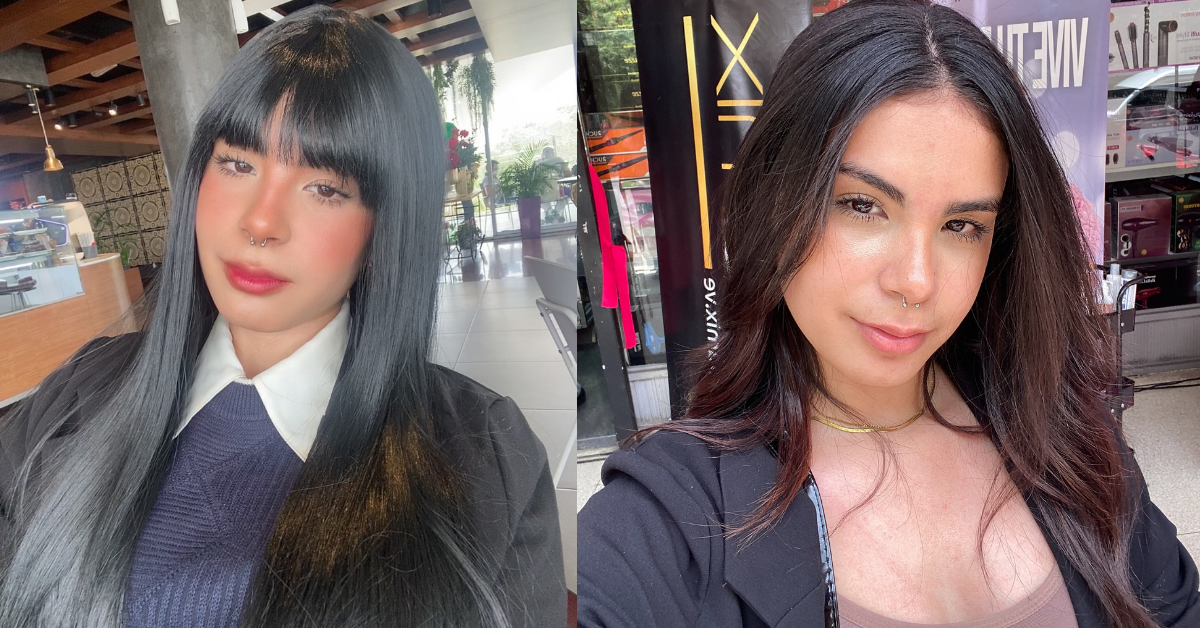
Most “makeup mistakes” are really context mistakes. The same face can look flawless in a mirror and weird in a photo because cameras change three big things: contrast, texture, and undertone. Add flash or a ring light and it gets even more dramatic. That’s why a look that feels heavy in person can look perfectly balanced on camera, and a look that feels fresh in person can disappear in photos.
Also, you’re not imagining it: selfies can distort proportions depending on camera distance, which can make features like the nose look bigger and the face flatter. Allure covered research published in JAMA showing how close-up selfies can exaggerate facial proportions.
What you want is a simple rule: decide whether you’re dressing for eyeballs or for lenses, then adjust only the parts that actually matter
Quick answer for skimmers
- Photos like contrast. Real life likes softness.
- Flash hates certain ingredients (hello “ghost face” flashback), especially silica-heavy HD powders.
- Dewy skin looks great in person but can read shiny in photos under harsh light.
- Heavy powder and baking can look perfect on camera but dry and textured in daylight.
- If you want “both,” do skin-like base + slightly stronger blush + controlled shine.
- The most underrated trick: do a quick flash selfie test before you leave (same room, same lighting).
- Optional. Skip it if you hate fuss: keep a “photo kit” (tiny powder + slightly brighter blush) for events.
If you only do one thing: blush a little higher and a little more than you think for photos, but keep the edges soft. It stops the face from looking flat under bad lighting.
The core difference in one sentence
Camera makeup is built to survive lighting and lenses. Real-life makeup is built to look like skin from two feet away.
That’s it. Everything else is just technique.
Why camera-pretty makeup can look strange in real life
Cameras flatten and simplify
Photos compress a 3D face into a 2D image. Subtle contour, subtle blush, and “barely there” definition often get lost, especially in flash or bright event lighting.
Lighting exaggerates different flaws than your mirror does
Bad indoor lighting can drain warmth and make skin look grey or sallow, while overhead lights can emphasize under-eye shadows and texture. Pro artist advice in Marie Claire focuses heavily on choosing the right light and avoiding overly matte bases that look flat under fluorescents.
Flashback is real (and it’s not you)
That white cast in photos usually comes from light-reflective particles and certain ingredients. A very common culprit is silica, often found in “HD” finishing powders, which can look flawless to the eye but bounce flash back to the camera.
This won’t work if you’re trying to make one makeup look cover: bright daylight, office fluorescents, candlelight dinner, and direct flash. You can get close, but lighting is stubborn.
What tends to photograph well (but can look heavy in real life)
1) Full coverage, perfectly even base
In photos: looks smooth, flawless, “finished.”
In real life: can read mask-like, especially around the mouth and on textured skin.
Make it wearable: keep coverage concentrated in the center of the face, and let the outer cheeks look like skin.
2) Baking and heavy under-eye brightening
In photos: crisp, lifted, bright.
In real life: dry, creased, and obvious.
Better middle ground: set only where you crease, and use a light hand.
3) Strong contour and highlight placement
In photos: adds back structure that cameras flatten.
In real life: can look like stripes or “mud” if it’s too cool, too matte, or too sharp.
Marie Claire’s pro advice is basically: contour should be minimal and diffused, and bronzer-warmth often looks more natural than harsh sculpting under unflattering lighting.
4) Very matte finishes
In photos: controls shine and keeps things crisp.
In real life: can emphasize dryness and fine texture.
Trade-off with no perfect solution: matte lasts and photographs clean, but it can look less skin-like up close. Dewy looks alive up close, but it can photograph oily fast.
5) Extra lash and brow structure
In photos: reads as definition.
In real life: can look “done” or heavy if the lash is too thick or the brow too blocky.
What looks great in real life (but often disappears in photos)
1) Sheer base and spot concealing
In real life: skin-like, fresh, effortless.
In photos: can look like you’re wearing nothing, especially if lighting is strong or cool.
2) Soft blush and bronzer
In real life: pretty and natural.
In photos: often fades to zero. This is why event makeup usually needs slightly more blush than you’re used to.
3) Glossy lips and subtle liner
In real life: youthful and dimensional.
In photos: can reflect light weirdly or fade if the shade is close to your natural lip color.
4) “Clean girl” highlight
In real life: a healthy glow.
In photos: can turn into a stripe if the light hits directly.
Marie Claire’s guidance is to keep highlight precise and satin, or skip it entirely in bad lighting so it doesn’t read greasy.
The “both” routine: a balanced look that survives photos and real life
Think of it as two dials: definition and finish.
Step 1: Base that looks like skin
- Light to medium coverage, not full mask
- Correct redness and shadows, then stop
- Avoid piling product on textured areas
Step 2: Put color back in
If you do one “photo friendly” adjustment, make it this:
- Blush a touch higher on the cheeks
- Slightly warmer tones tend to keep you from looking washed out under bad indoor light
Step 3: Add soft structure
- Use bronzer for warmth
- If you contour, keep it diffused and higher rather than carving a sharp line
Step 4: Control shine where cameras punish it
You don’t need to matte your whole face. Just manage:
- sides of nose
- center forehead
- chin
If you use finishing powder, be careful with “HD” powders and heavy application. Pro-stage brand Kryolan specifically calls out silica-based powders as a common flashback issue.
And Lab Muffin (a cosmetic science educator) breaks down why silica can bounce direct flash.
Step 5: Do the 10-second test
- One selfie in natural light
- One selfie with flash (if you’ll be photographed with flash)
- If your face goes white, adjust powder and SPF products and retest
This is optional. Skip it if you’re just going to the grocery store and you don’t care how you look in photos. That’s a valid life choice.
The biggest “photo vs real life” traps
Flashback: the ghost face problem
If you’ll be photographed with flash, be cautious with:
- heavy finishing powder layers
- powders that heavily rely on light-reflective particles like silica
(You don’t have to fear powder forever. You just need to apply less, choose smarter, and test.)
Selfie distortion: why your face can look “off”
Close-up selfies can change how features look because of distance and perspective. Allure summarizes research showing selfies can distort proportions, including making the nose appear larger at close distances.
Practical fix: hold the camera a bit farther away, use the back camera if you can, and avoid ultra-wide modes for face shots.
Ring light perfection isn’t real-life lighting
Ring lights smooth texture and flatten shadows. Your makeup can look amazing on video, then harsh in daylight. The fix is not “more makeup.” It’s testing in the lighting you’ll actually be in.
Choose your lane: 3 common scenarios
1) Everyday, real-life first
- Sheer base or spot concealer
- Cream blush
- Soft brows
- Minimal powder
2) Event photos with flash
- Slightly stronger blush
- Set the T-zone lightly
- Avoid heavy “HD powder” layers, flash-test before leaving
3) Professional photos or weddings
- Don’t be surprised if your artist goes a touch stronger than your daily comfort level, because photos soften makeup
- Blend down the neck and don’t ignore ears (photographers and artists mention this in wedding photo guidance)
My blunt take
If you’re constantly disappointed in photos, it’s usually not your face or your skill. It’s that you’re wearing a real-life makeup philosophy in a camera environment. For photos, you often need a bit more color and structure than feels “natural” in a mirror, but you still want it blended enough to look like skin up close.
And if you love how you look in real life but not in selfies, you’re in good company. Cameras are weird.
Just a little note - some of the links on here may be affiliate links, which means I might earn a small commission if you decide to shop through them (at no extra cost to you!). I only post content which I'm truly enthusiastic about and would suggest to others.
And as you know, I seriously love seeing your takes on the looks and ideas on here - that means the world to me! If you recreate something, please share it here in the comments or feel free to send me a pic. I'm always excited to meet y'all! ✨🤍
Xoxo Charlotte